



Sending a child to school as early as 12–18 months can have profound and lasting benefits for their development. Leading child development experts, including paediatricians and early childhood specialists, emphasise that the first 1,000 days of a child’s life are critical for brain growth, social skills and emotional resilience. During this period, the brain forms millions of neural connections daily and experiences in a nurturing, structured environment can significantly enhance cognitive and emotional development.
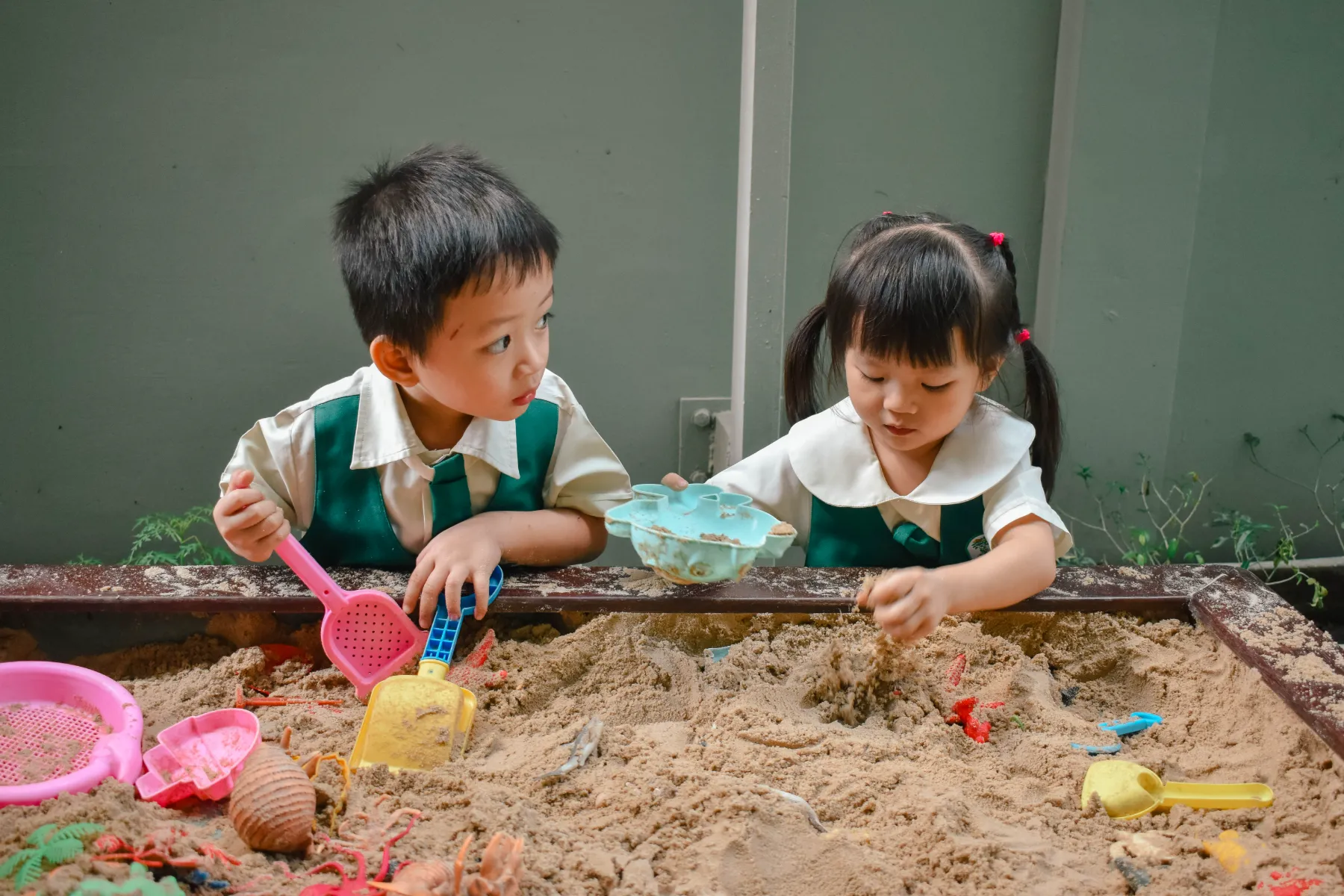
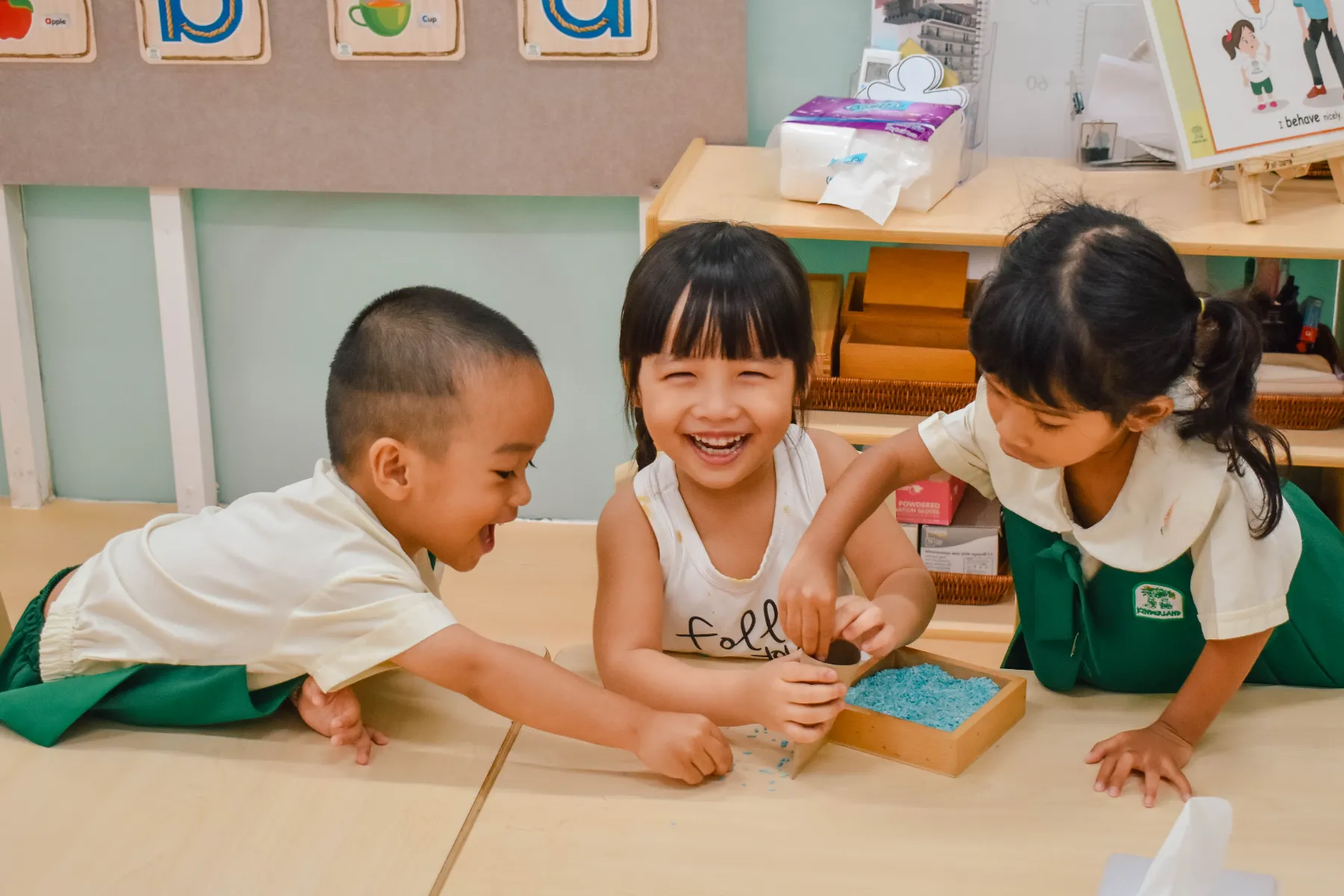
Little hands, big discoveries—learning through play, curiosity and teamwork.
Studies have shown that children who participate in high-quality early education programmes develop stronger language, problem-solving and social skills. Dr Jack Shonkoff, a renowned paediatrician and director of the Centre on the Developing Child, notes that early exposure to learning environments improves executive function, self-regulation and school readiness later in life. Similarly, research published in Child Development — a leading peer-reviewed academic journal focused on child psychology, learning and developmental research — found that toddlers enrolled in structured, play-based programmes demonstrate higher academic achievement, longer attention spans and greater social adaptability in primary school.
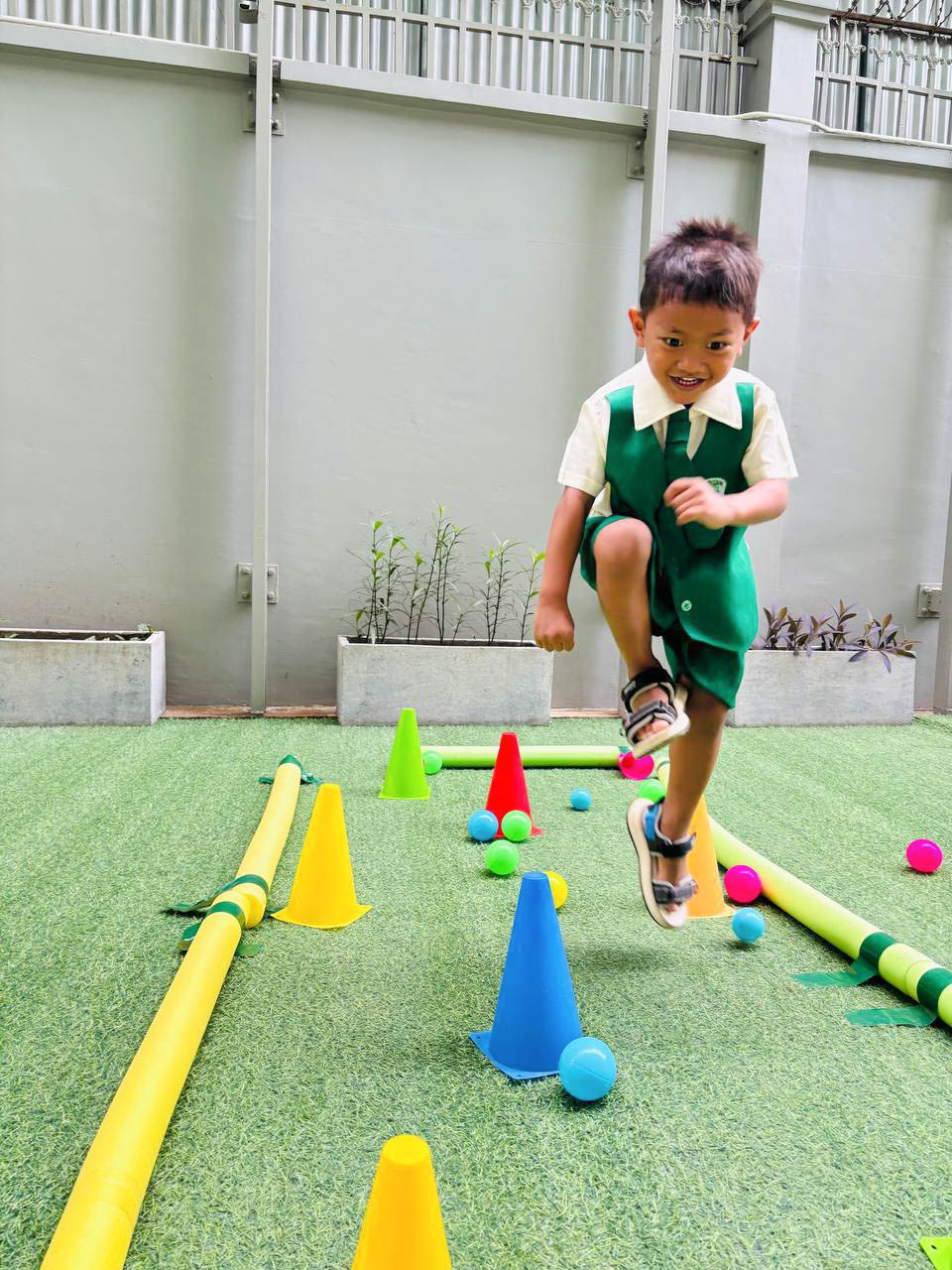
Kinder Fit activity in action—boosting coordination, creativity and confidence through fun, hands-on play
Early schooling also provides invaluable opportunities for social interaction. Children learn to communicate, share and collaborate with peers, building confidence and empathy from a young age. Paediatric occupational therapists and child psychologists stress that these early experiences contribute to emotional resilience, helping children navigate challenges more easily as they grow.
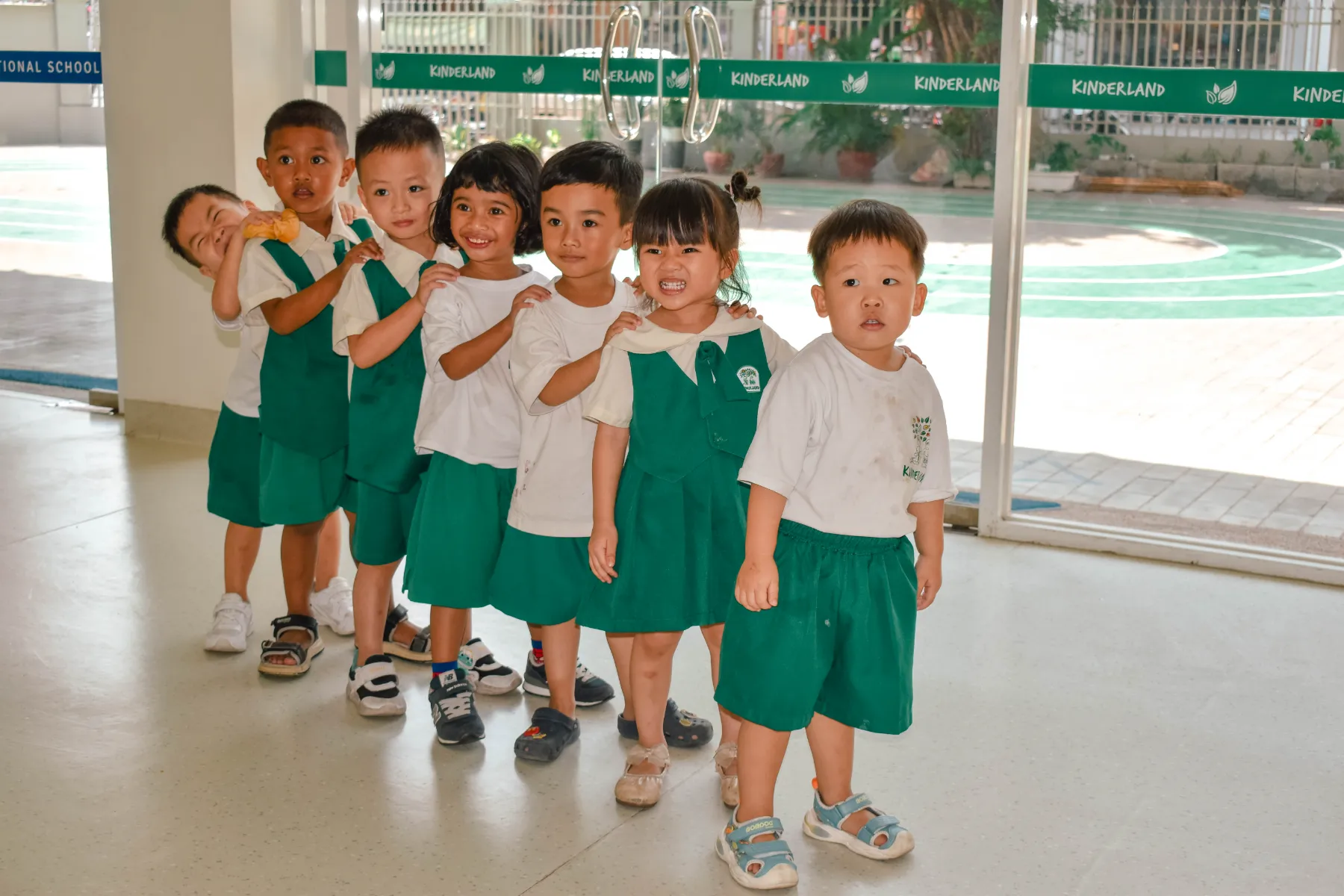
Learning to line up—building patience, independence and self-discipline one step at a time.
At Kinderland International Preschool, we recognise the transformative impacts of early education. Our programmes for children aged 12–18 months combine sensory-rich activities, interactive play and personalised care to foster curiosity, creativity and foundational skills. By introducing children to a supportive learning environment early, parents give their children a head start in life—developing not only intellect but also social and emotional intelligence that lasts a lifetime.

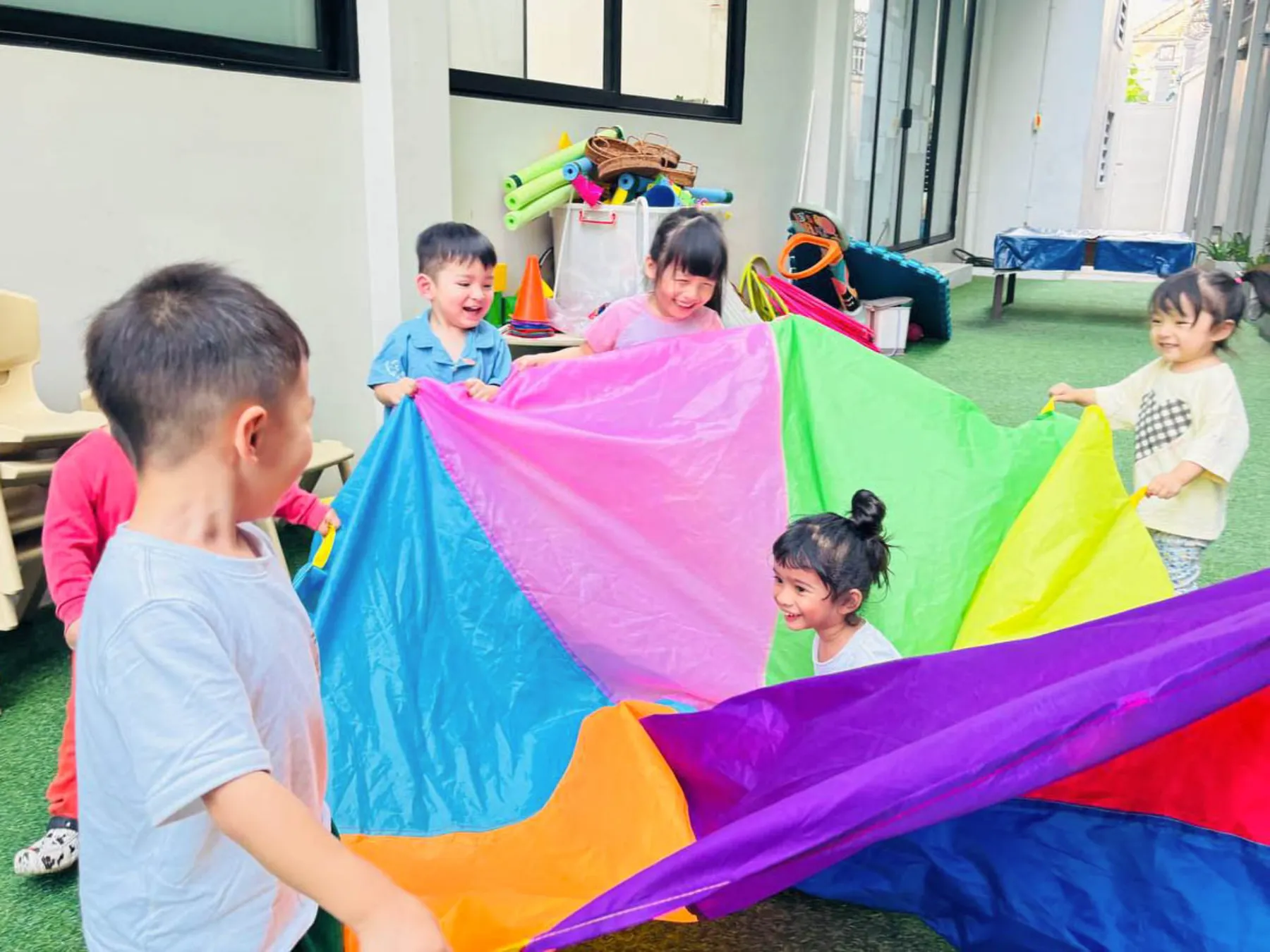
Little moments, big growth—developing social skills through friendship, sharing, and connection.
Reference
¹ Shonkoff, J. P., & Phillips, D. A. (Eds.). From Neurons to Neighborhoods: The Science of Early Childhood Development. National Academy Press, 2000.
² Center on the Developing Child at Harvard University. InBrief: The Science of Early Childhood Development. Harvard University.
³ NICHD Early Child Care Research Network. “Early Child Care and Children’s Development Prior to School Entry: Results from the NICHD Study of Early Child Care.” Child Development, 2002.